

The Ultimate Guide to Manholes cover: Types, Construction, and 2026 Pricing
Table of Contents
Toggle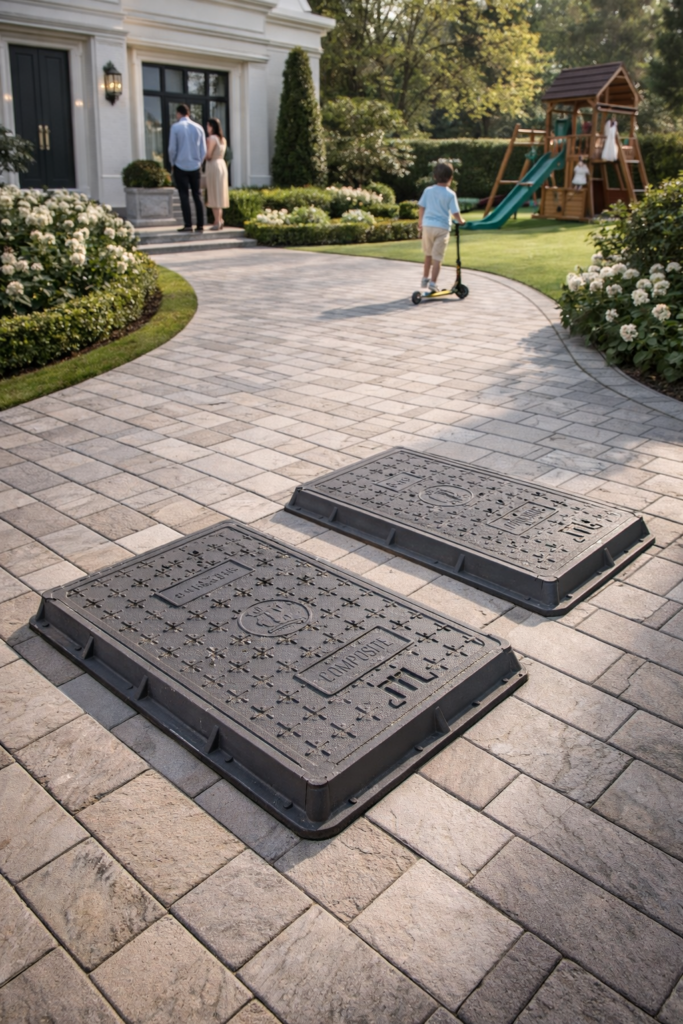
In modern urban planning and domestic drainage, the manhole is an unsung hero. Whether you are a researcher looking for technical definitions or a homeowner in Kenya trying to find the best price for a cast iron cover, understanding the architecture beneath our feet is essential.
1. What is a Manhole? (Meaning & Purpose)
A manhole (also known as a utility hole or maintenance hole) is a vertical access shaft used to connect underground public utilities—primarily sewer and stormwater lines—to the surface.
The primary functions include:
Inspection: Allowing technicians to check for blockages or structural damage.
Maintenance: Providing a point for “rodding” or high-pressure jetting.
Ventilation: Allowing harmful sewer gases to escape.
System Transitions: Acting as a junction where pipes change direction, size, or grade.
2. Types of Manholes
Manholes are classified based on their depth and the specific function they serve within a drainage network.
By Depth
Shallow Manholes (Inspection Chambers): Typically 70cm to 90cm deep. Placed at the start of a branch.
Normal Manholes: Roughly 150cm (5 feet) deep with a heavy cover.
Deep Manholes: Exceeding 150cm in depth. These often include built-in ladders or “step irons” for human entry.
By Function
Drainage Manhole: The standard access point for sewage and storm systems.
Grease Trap Manhole: Specifically designed for commercial kitchens to intercept fats, oils, and grease (FOG) before they enter the main sewer line.
Drop Manhole: Used when there is a significant difference in elevation between the inlet and outlet pipes.
3. Manhole vs. Inspection Chamber: What’s the Difference?
While often used interchangeably, researchers and engineers distinguish them by human accessibility:
| Feature | Inspection Chamber | Manhole |
| Size | Small (300mm–450mm) | Large (>600mm) |
| Depth | Usually < 1.0 meter | Often > 1.0 meter |
| Access | Tools/Cameras only | Human Entry |
| Location | Private gardens/driveways | Public roads/highways |
4. Manhole Construction & Diagram
Building a manhole requires precision to prevent groundwater infiltration. A standard manhole diagram includes:
The Base: A concrete foundation (blinding) that supports the structure.
The Benching: The sloped concrete floor inside the manhole that channels waste toward the outlet.
The Shaft/Rings: Precast concrete rings or brickwork forming the walls.
The Cover Slab: A reinforced top section that holds the frame.
Steps in Construction:
Excavation: Digging to the required depth based on the invert level of the pipes.
Base Pouring: Setting a 150mm thick concrete base.
Wall Building: Using precast concrete rings or engineering bricks.
Benching: Shaping the floor at a 1:10 slope to ensure smooth flow.
Frame & Cover Installation: Placing the manhole cover flush with the finished ground level.
5. Manhole Cover Sizes & Materials
Selecting the right cover depends on the “Load Class” (how much weight it can carry).
Standard Sizes (mm)
300 x 300: Small inspection chambers.
450 x 450: Standard for domestic driveways.
600 x 450: Common for rectangular utility access.
600 x 600: The most common size for heavy-duty sewage access.
Material Comparison
Cast Iron (Ductile Iron): Extremely strong, ideal for main roads. However, they are prone to theft for scrap metal.
Concrete: Heavy and durable but can crack under extreme impact. Often used in residential areas.
Composite/Fibre Glass: The modern standard. They have no scrap value (anti-theft) and are corrosion-resistant.
6. Price Guide 2026: Kenya Market Analysis
For those sourcing materials in Kenya, prices vary based on the material’s weight and load-bearing capacity.
Manhole Cover Price in Kenya (Estimated 2026)
| Material | Size (Inches) | Price Range (KSh) |
| Composite (Light Duty) | 12 x 12 | 700 – 1,200 |
| Composite (Medium Duty) | 18 x 18 | 1,400 – 2,500 |
| Cast Iron (Heavy Duty) | 24 x 18 | 4,500 – 8,000 |
| Cast Iron (Extra Heavy) | 24 x 24 | 12,000 – 18,000 |
| Concrete Cover | Standard | 1,500 – 3,500 |
Conclusion
Whether you are designing a city’s infrastructure or simply replacing a broken lid on your driveway, the type of manhole and cover you choose determines the longevity of your drainage system. For researchers, the transition toward composite materials represents the biggest shift in the industry due to the reduction in “scrap-metal theft.
Author
Written by: Titus Muchoki Mburu
Role: Full-Stack Developer & Digital Marketing Specialist
Experience: 5+ years in web development, SEO, and e-commerce content for building materials and plumbing products across Kenya and Australia.
