

Biodigester Septic Tank Price in Kenya (2026 Price Guide)
Table of Contents
Toggle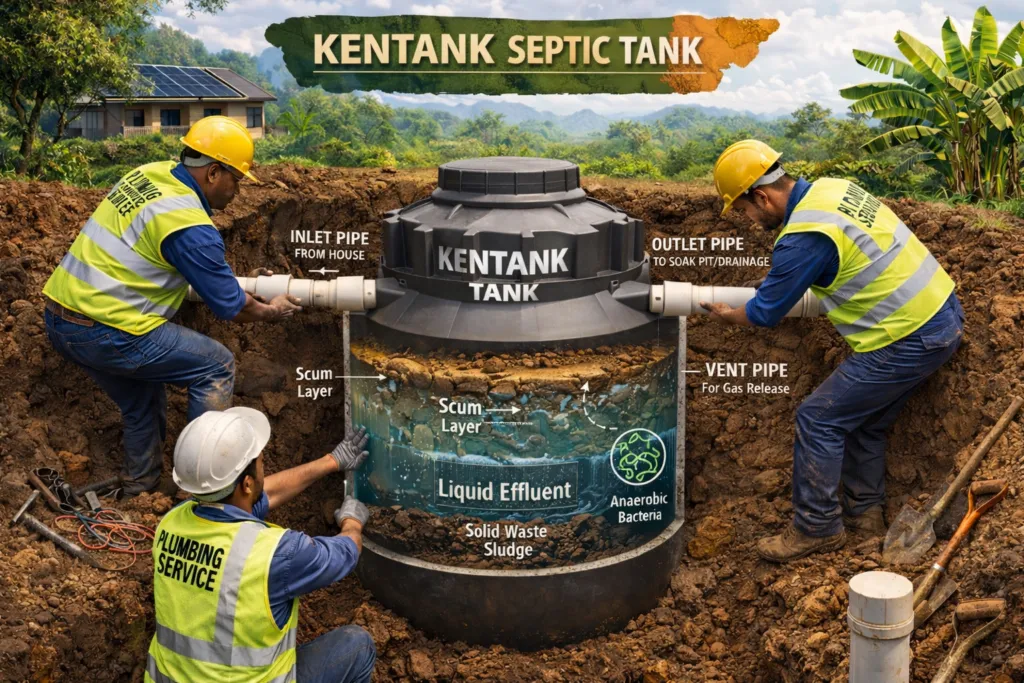
Are you tired of the constant costs and foul smells of exhausting your traditional septic tank? Moving to a biodigester is the smartest investment for any property owner in Kenya. Whether you are building a residential home in Syokimau, a rental block in Roysambu, or a commercial project in Kisumu, understanding the current market rates is key to planning your budget.
In this guide, we break down the biodigester septic tank price in Kenya, installation variables, and why this modern system is cheaper in the long run.
1. Estimated Biodigester Prices in Kenya (2026)
Prices in Kenya typically vary based on the size of the unit (measured in cubic meters) and the number of users it can support.
| System Size | Capacity (No. of Users) | Estimated Price (KES) | Best For |
| 1.0 $m^3$ Standard | 1 – 15 Users | KES 80,000 – 95,000 | Single Family Home / 2-Bedroom |
| 2.0 $m^3$ Medium | 15 – 30 Users | KES 120,000 – 145,000 | Small Apartment Block / Villa |
| 4.0 $m^3$ Large | 50 – 100 Users | KES 180,000 – 250,000 | Schools / Large Apartments |
| Jumbo Systems | 200+ Users | KES 350,000+ | Gated Communities / Hotels |
Note: These prices typically include the biodigester tank and the initial supply of biodigester enzymes/bacteria.
2. What Influences the Installation Cost?
The “sticker price” of the tank is only one part of the equation. In Nairobi and other major towns, several factors can shift your final quote:
Soil Type: If you are building on the black cotton soil found in parts of Kitengela or Eastlands, you may need more reinforcement or a specialized drainage system (French drain) compared to the red coffee soil of Karen.
Location: Transport costs for materials and the installation team vary from Mombasa to Eldoret.
Labor & Excavation: Harder rocky ground (common in parts of Machakos) requires more manual labor or machine assistance, increasing the cost.
septic tank design: The design of the septic tank also influence the price, small, medium, large all come with different prices.
NEMA & County Permits: Ensure your quote includes or accounts for the necessary approvals to avoid fines.
3. Why a Biodigester is Cheaper Than a Concrete Septic Tank
While a traditional concrete septic tank might seem cheaper to build initially (approx. KES 150,000), a biodigester saves you more money over time:
No Exhausting Costs: Traditional tanks cost KES 8,000 – 15,000 per trip for “honey-suckers.” A biodigester never needs to be emptied if maintained properly.
Space Efficiency: You don’t need to dedicate a massive portion of your 50×100 plot to a hole.
Water Recycling: The treated effluent can be used for “shamba” irrigation, saving on your monthly water bill.
4. Maintenance: The Cost of Enzymes
To keep your system running, you only need to add biodigester bacteria/enzymes occasionally.
Enzyme Price: Expect to pay between KES 1,500 and KES 5,000 for a high-quality 1kg pack, which can last a residential home up to a year.
Ready to Upgrade Your Waste Management?
Don’t settle for “guesswork” quotes. We provide NEMA-compliant, professional biodigester installations across all 47 counties in Kenya.
Get a Custom Quote Today!
FAQ
Q: How long does it take to install a biodigester in Kenya? A: Typically, a residential installation takes 1 to 3 days, significantly faster than building a traditional concrete tank.
Q: Do biodigester septic tanks smell? A: No. Because they use aerobic and anaerobic digestion to break down waste into water and gas, they are odorless when installed with a proper vent pipe.
Q: Can I install a biodigester in a high water table area like Mombasa? A: Yes! Biodigesters are sealed units, making them the best choice for coastal regions where traditional soak pits often fail.
Author
Written by: Titus Muchoki Mburu
Role: Full-Stack Developer & Digital Marketing Specialist
Experience: 5+ years in web development, SEO, and e-commerce content for building materials and plumbing products across Kenya and Australia.
